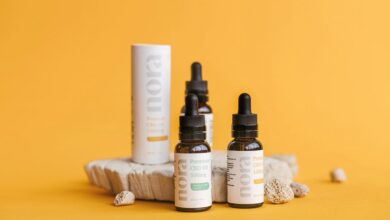
When considering where to buy CBD, consumers have diverse options available. Local health stores and dispensaries offer direct access to products with knowledgeable staff. Specialty CBD shops provide curated selections tailored to individual needs. Online retailers boast extensive choices, but require careful research. Additionally, farmers markets support local producers while fostering community ties. Each option has its benefits, but understanding them can lead to informed decisions about quality and suitability. What factors should one prioritize in this search?
Local Health Stores and Dispensaries
Local health stores and dispensaries are often the first choice for those seeking to buy CBD products.
These establishments typically adhere to local regulations, ensuring that consumers receive products that meet safety standards. Shoppers can often assess product quality firsthand, consulting knowledgeable staff who can provide insights into sourcing and benefits.
This direct engagement fosters a sense of community and trust among consumers.

Online Retailers and Marketplaces
How can consumers navigate the vast landscape of online retailers and marketplaces to find quality CBD products?
By researching product quality and reading customer reviews, shoppers can discern reputable sources.
Additionally, exploring various shipping options ensures timely delivery.
With careful consideration, consumers can confidently select from an array of online platforms, empowering them to enjoy the benefits of CBD while maintaining their freedom of choice.
Specialty CBD Shops
While many consumers may turn to online platforms for their CBD needs, specialty CBD shops offer a unique advantage by providing curated selections and expert guidance.
These shops frequently feature specialty products tailored to individual preferences, ensuring a personalized touch.
Additionally, customer experiences in these environments often enhance knowledge and confidence, empowering consumers to make informed choices about their CBD journeys.
Farmers Markets and Community Events
Where can consumers discover high-quality CBD products while supporting local agriculture?
Farmers markets and community events offer an ideal setting for local sourcing of CBD goods. These gatherings promote community engagement, allowing consumers to connect directly with producers.
Conclusion
In conclusion, the quest for high-quality CBD offers an abundance of options, from local health stores to online marketplaces. Each avenue provides unique benefits, whether it's personalized advice from specialty shops or the convenience of browsing countless products online. For those seeking community connections, farmers markets serve as treasure troves of local offerings. With such a mind-boggling array of choices, consumers can confidently find the perfect CBD product to suit their needs and elevate their wellness journey.