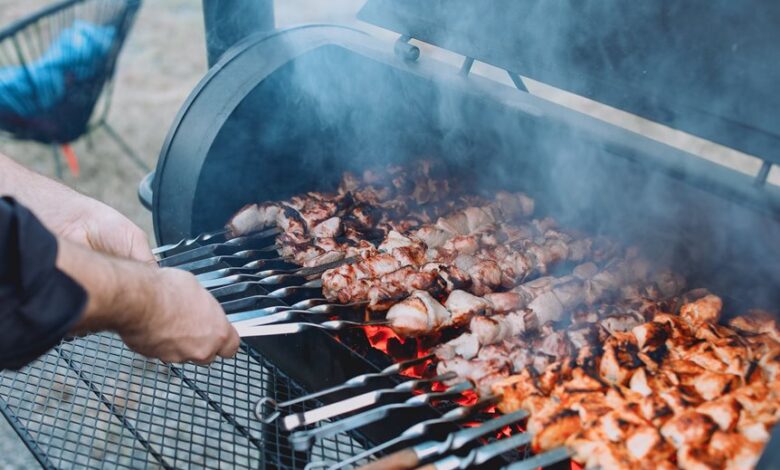
This guide reframes кебалово as a modular, timber-supported process that echoes traditional kebab texture through precise cuts, fat balance, and grind. It outlines a balanced spice mix, moisture-locking marinade, and uniform shaping for even cooking. Emphasis is placed on grill readiness, heat management, rotation, and resting, with practical troubleshooting for browning, flare-ups, and moisture retention. The result promises repeatable results, but the core decisions await careful consideration before you commit to the workflow.
What Is Кебалово and Why It Matters
What is кебалово and why does it matter? Кебалово refers to a traditional, timber-supported structure used in certain regional building practices, characterized by its modular components and emphasis on load distribution. The approach reveals authenticity and history through systematic assembly, operational efficiency, and durable design. This frame supports cultural memory, informs practice, and guides contemporary interpretation with disciplined, analytical clarity.
The Exact Cuts, Fats, and Grind for Authentic Kebab Mix
The discussion shifts from the broader concept of кебалово to the concrete specifics of its kebab mix, focusing on the precise cuts, fat content, and grinding method that define authenticity.
The analysis notes lean-to-fat ratios and grind size as critical levers, guiding texture exploration and consistent bite.


Precision ensures freedom in composition, avoiding fluff, bias, or extraneous steps.
From Spice Blend to Grill Readiness: Seasoning, Marinating, and Shaping
Spice blending, marination, and shaping constitute the transferral of flavor from mixture to meat, demanding a disciplined sequence that aligns aromatic profile with grill readiness. The process evaluates a spice blend for balance, moisture retention for marinating, and uniform shaping to ensure even cooking. This analytical approach prioritizes consistency, grill readiness, and controlled marinating timing for reliable kebab outcomes.
Grill Sequence, Heat Management, and Troubleshooting for Restaurant-Quality Kebab
Grill sequencing and heat management are the core determinants of restaurant-quality kebab, translating marinade and spice work into consistent, high-heat performance. The grill sequence optimizes protein load, spacing, and rotation, while heat management controls airflow, flame, and resting intervals. Troubleshooting targets uneven browning, flare-ups, and moisture loss, enabling precise, repeatable outcomes across service cycles.
Frequently Asked Questions
Can I Freeze Kebab Meat Without Losing Flavor?
Freezing kebab meat is feasible without substantial flavor loss when using a proper freeze method and airtight packaging; expect optimal quality within a defined storage duration, minimizing air exposure and moisture loss for consistent taste and texture.
What’s the Best Internal Temperature for Kebabs?
The best internal temperature for kebabs is 165°F (74°C) for food safety. Beef kebab and lamb skewers should reach this target, ensuring doneness without excessive drying while preserving juiciness and flavor in a disciplined, freedom-minded approach.
How Long Should Kebab Skewers Soak Before Grilling?
Soaking duration for kebab skewers should be 30 to 60 minutes prior to grilling, allowing flavors to permeate without oversoftening. This informs grill timing, ensuring consistent heat exposure and controlled moisture for optimal texture and juiciness.
Which Charcoal Type Yields the Most Authentic Smokiness?
Investigation suggests no single charcoal type guarantees smokiness authenticity; however, lump charcoal often yields bolder, longer-lasting flavor. It analyzes moisture retention and freezing kebab meat impact, noting consistent heat and balanced smokiness with proper airflow and technique.
How Do I Fix Dense or Dry Kebabs Quickly?
Dense kebabs can be revived by a brief restoration: rehydrate with a light mist of oil, rest briefly, then re-sear over high heat; avoid overcooking to prevent a dry texture and preserve juiciness for a freer palate.
Conclusion
The kebab—to the trained eye—is a timber-supported, modular system, precise in cut, fat, and grind. As the blend compacts and the grill heats, the sequence unfolds with almost clinical inevitability. Yet within the disciplined precision lurks a hinge: a single misstep in shaping, marination, or heat control can tilt texture and moisture toward chaos. When balance holds, service repeats with quiet confidence; when it falters, the line between success and failure tightens, inviting another, safer attempt.